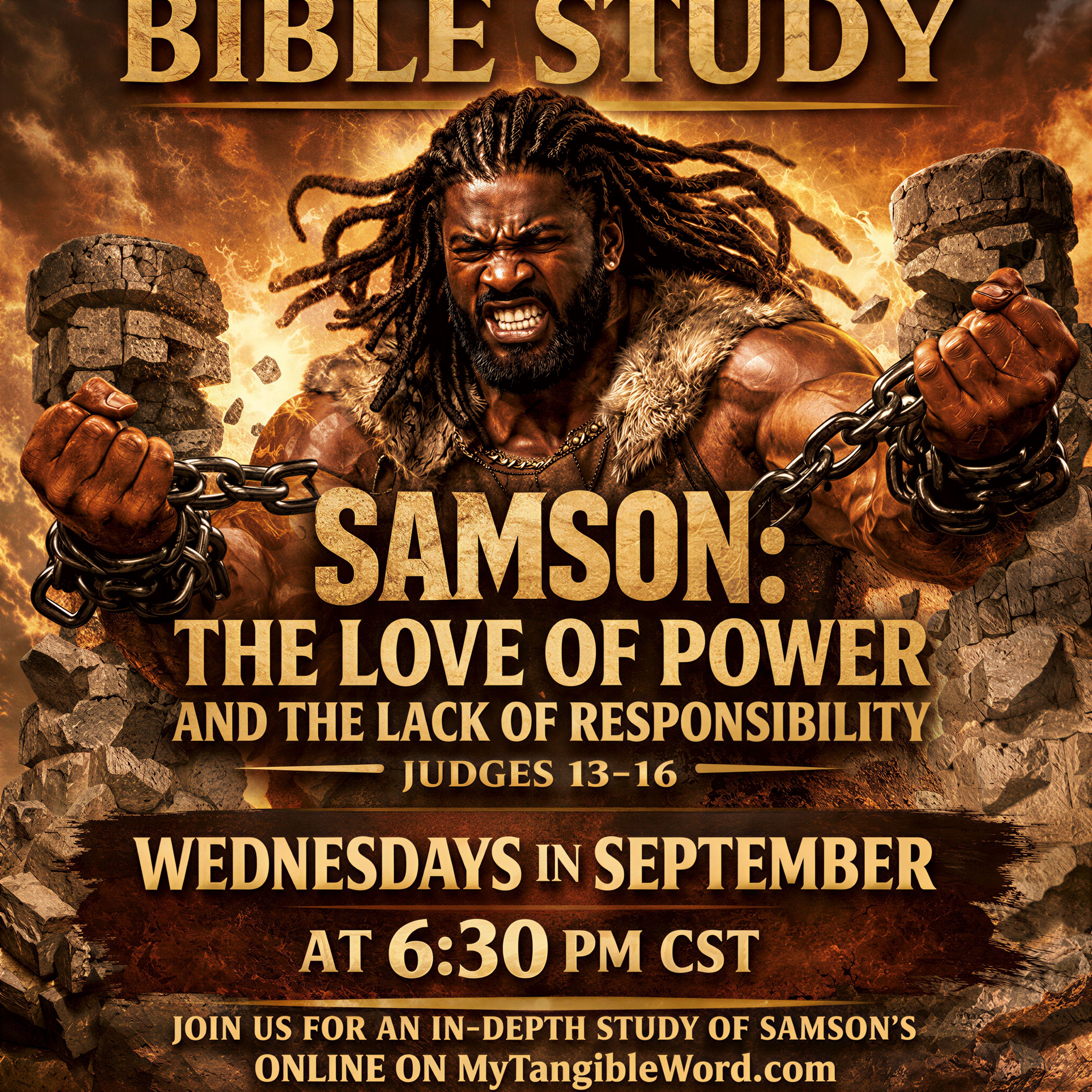
Wednesday Bible Study · September 2026
Samson: The Love of Power
and the Lack of Responsibility
A four-week journey through Judges 13–16 (NIV), exploring the life of Israel's most paradoxical judge — supernaturally strong yet spiritually weak, used by God despite his flaws.
Study Schedule
September 2026 — One Chapter Per Week
Judges 13
The Birth of Samson
September 2, 2026
Judges 14
The Marriage & The Riddle
September 9, 2026
Judges 15
Vengeance & The Jawbone
September 16, 2026
Judges 16
The Fall & Final Victory
September 23, 2026
Review
Series Review & Application
September 30, 2026
Geographic Context
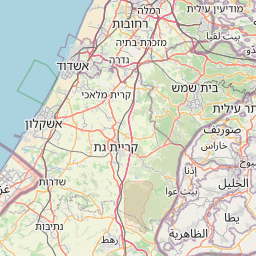
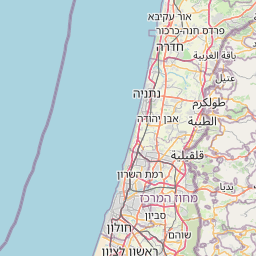
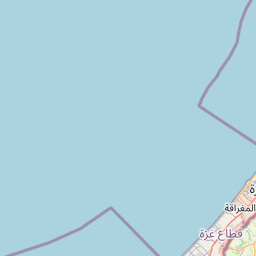
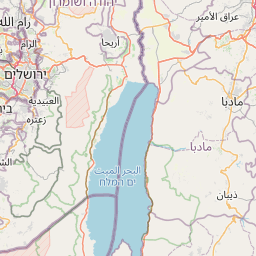
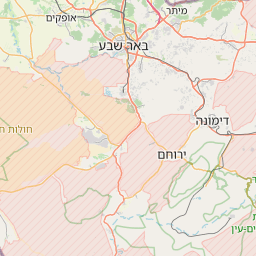
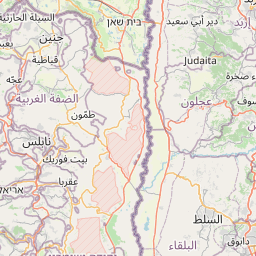
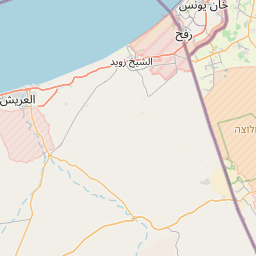
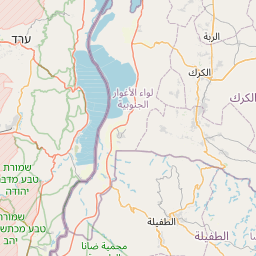
Samson's World — Interactive Map
Explore the key locations of Samson's life, from his birthplace in Zorah to his final stand in Gaza. Click each marker to learn its significance.

Chapter-by-Chapter
Study Notes & Cultural Context
Click each chapter to expand the full study notes, key verses, and historical background.
Chapter Summary
Israel again does evil, and God delivers them into Philistine hands for 40 years. An angel appears to the barren wife of Manoah, announcing she will bear a Nazirite son who will begin to deliver Israel. Samson is born and blessed by the Lord.
Key Verses (NIV)
Judges 13:5
"You will become pregnant and have a son whose head is never to be touched by a razor because the boy is to be a Nazirite, dedicated to God from the womb. He will take the lead in delivering Israel from the hands of the Philistines."
Judges 13:24-25
"The woman gave birth to a boy and named him Samson. He grew and the Lord blessed him, and the Spirit of the Lord began to stir him while he was in Mahaneh Dan, between Zorah and Eshtaol."
Study Notes
- 1The cycle of sin returns — Israel's oppression by the Philistines lasted 40 years, the longest single oppression in Judges, yet there is no cry of repentance recorded before deliverance comes.
- 2Samson's mother is unnamed in Scripture, yet she shows greater spiritual sensitivity than Manoah — she perceives the angel is a man of God and correctly relays the instructions.
- 3The Nazirite vow (Numbers 6) normally was voluntary and temporary; Samson's was lifelong and from the womb — marking him alongside only John the Baptist and Jesus as one set apart before birth.
- 4Manoah's request for the angel to return and 'teach us how to bring up the boy' reveals a humble, teachable heart — a model for godly parenting.
- 5The angel's name is 'beyond understanding' (v.18) — a theophany, an appearance of God Himself, accepted by Manoah as terrifying yet met with worship.
Cultural & Historical Context
The Nazirite Vow
Numbers 6 outlines three restrictions: no wine or fermented drink, no razor on the head, no contact with the dead. For Samson, the uncut hair was the visible seal of his consecration — and his ultimate vulnerability.
Philistine Oppression
The Philistines were a seafaring people (possibly 'Sea Peoples') who settled the coastal plain of Canaan in five city-states: Gaza, Ashkelon, Ashdod, Ekron, and Gath. They had iron technology and chariots, giving them military dominance over the Israelite hill country.
The Danite Territory
Zorah and Eshtaol were in the tribal allotment of Dan, on the border between Israelite hill country and Philistine coastal plain — a constant zone of cultural friction and compromise.
Vocabulary
Nazirite
A person consecrated to God by a vow, abstaining from wine, cutting hair, and contact with the dead (Numbers 6). Samson's vow was lifelong, from the womb.
Theophany
A visible appearance or manifestation of God to humans. The 'angel of the Lord' who appeared to Manoah and his wife is understood as God Himself.
Mahaneh Dan
Hebrew for 'Camp of Dan' — the area between Zorah and Eshtaol where the Spirit of the Lord began to stir Samson.
Barren
Unable to bear children. Several key biblical figures — Sarah, Rebekah, Hannah — were barren before God opened their wombs.
Key Locations in This Chapter
Your Progress
Track Your Study Journey
Check off each chapter as you complete the study notes and quiz. Your progress is saved on this device.
0% complete
Key Terms
Glossary of Judges 13–16
A consolidated reference of the people, places, and theological terms in the Samson narrative — with pronunciations, definitions, and scripture references to help you follow the text with understanding.
Barren
/ˈbær.ən/
Unable to bear children. Several key biblical figures — Sarah, Rebekah, Hannah — were barren before God opened their wombs. Samson's mother was barren until the angel's announcement.
Dagon
/ˈdeɪ.ɡɒn/
The chief Philistine god, associated with fish or grain. His temple in Gaza was the site of Samson's final victory, where thousands gathered to sacrifice to him.
Delilah
/dɪˈlaɪ.lə/
Her name means 'delicate' or 'weakening' — fitting for the woman who brought Samson down through persistent deception and bribery from the Philistine lords.
En Hakkore
/ɛn hɑːˈkɔː.reɪ/
Hebrew for 'Spring of the Caller' — the spring God opened in answer to Samson's prayer for water after the jawbone battle.
Etam
/ˈiː.tæm/
A rock formation where Samson took refuge after the jawbone battle, before the men of Judah came to hand him over to the Philistines.
Gaza
/ˈɡeɪ.zə/
The southernmost of the five Philistine city-states and the site of Samson's final stand at the temple of Dagon. He was blinded and imprisoned here.
Mahaneh Dan
/mɑːˈhɑː.neɪ dæn/
Hebrew for 'Camp of Dan' — the area between Zorah and Eshtaol where the Spirit of the Lord began to stir Samson.
Manoah
/məˈnoʊ.ə/
Samson's father, from the tribe of Dan. He sought to honor the angelic messenger and showed a humble, teachable heart, asking how to raise the boy.
Mishteh
/mɪʃˈteɪ/
Hebrew for 'feast' or 'drinking banquet' — the seven-day wedding celebration where Samson posed his riddle to the Philistine companions.
Nazirite
/ˈneɪ.zɪ.raɪt/
A person consecrated to God by a vow, abstaining from wine, cutting hair, and contact with the dead (Numbers 6). Samson's vow was lifelong, from the womb.
Occasion
/əˈkeɪ.ʒən/
In Judges 14:4, God was 'seeking an occasion' — an opportunity or pretext to confront the Philistines through Samson's desires.
Philistines
/ˈfɪl.ɪ.stiːnz/
A seafaring people (possibly 'Sea Peoples') who settled the coastal plain of Canaan in five city-states: Gaza, Ashkelon, Ashdod, Ekron, and Gath. They oppressed Israel for 40 years.
Presumption
/prɪˈzʌmp.ʃən/
Assuming God's favor remains while living in disobedience. Samson 'did not know that the Lord had left him' (v.20) — the most chilling verse in the narrative.
Ramath Lehi
/ˈreɪ.mæθ ˈleɪ.haɪ/
Hebrew for 'Hill of the Jawbone' — the place Samson named after killing 1,000 Philistines with a fresh donkey's jawbone.
Riddle
/ˈrɪd.əl/
A puzzling question posed as a wager. Samson's: 'Out of the eater, something to eat; out of the strong, something sweet.' The answer: honey from the lion's carcass.
Shu'al
/ˈʃuː.æl/
Hebrew word meaning 'fox' or 'jackal' — the animal Samson used to burn the Philistine crops by tying torches to their tails.
Sorek
/ˈsoʊ.rɛk/
The valley where Delilah lived — borderland between Israelite and Philistine territory, a place of constant cultural and spiritual compromise.
Theophany
/θiˈɒf.ə.ni/
A visible appearance or manifestation of God to humans. The 'angel of the Lord' who appeared to Manoah and his wife is understood as God Himself.
Timnah
/ˈtɪm.nə/
A Philistine border town in the Sorek Valley, about 4 miles from Samson's home — the site of his ill-fated marriage to a Philistine woman.
Zorah
/ˈzɔː.rə/
Samson's hometown in the tribal allotment of Dan, on the border between Israelite hill country and the Philistine coastal plain.
Series Themes
What Samson Teaches Us
God's Sovereignty in Weakness
God uses even Samson's flaws and failures to accomplish His purpose of confronting the Philistines. His grace is not limited by our brokenness.
Spiritual Blindness
Samson had supernatural sight for battle but was blind to his own spiritual compromise — a warning that giftedness is not the same as godliness.
The Danger of Presumption
'He did not know the Lord had left him' — presuming on God's presence while living in disobedience is the most dangerous spiritual condition.
Redemption Through Surrender
Samson's greatest victory came through his death, in humility and prayer — pointing forward to Christ, who conquered through the cross.
I've Finished the Study
Fill in your information below and press submit. We'll generate your Certificate of Completion and email it to you.